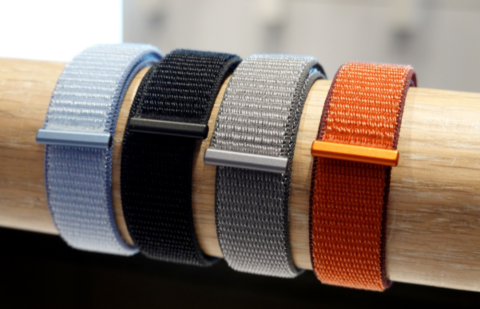







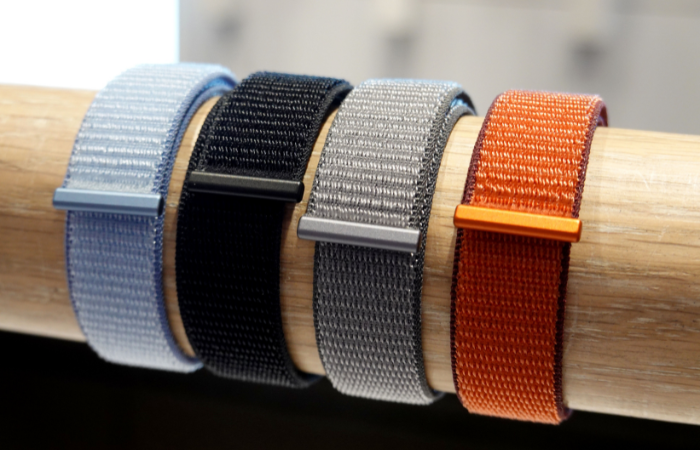
A sailcloth watch strap sounds simple: a watch strap made from sailcloth. Actually, the category is more intriguing. The vast majority of sails used as straps today (sailcloth) are not made from yacht sails. Instead, they take the texture, structure and marine aesthetic of sailcloth and make it more comfortable to wear on the wrist.
What Is a Sailcloth Watch Strap?
Traditional sails were engineered to resist wind, stress, moisture and exposure to the elements. The materials used for sails have always been natural fibres like flax, hemp or cotton, and modern sailcloth is often made of polyester, nylon or technical laminates.
A contemporary sailcloth watch strap is not always literally made out of marine sailcloth. Its unique texture is replicated by many manufacturers with synthetic uppers, rubber compounds or multi-layer constructions made specifically for wrist comfort.
Its range is designed for comfort and structure for everyday use, whilst preserving the authentic texture of its sailcloth.
What Is a Sailcloth Watch Strap Made From?
No one single material is employed for all sailcloth watch straps.
Others have a woven exterior, typically made of nylon or polyester and lined. Some use a surface that forms the pattern of the sailcloth without showing any fibres. More technical versions form that texture in FKM rubber.
That’s why looking at the strap and shopping by appearance can be deceiving. The two straps of sailcloth can be virtually the same and feel and work so differently on the wrist.
A leather‑lined sailcloth watch strap may feel more structured and refined. A rubber‑backed or all‑rubber sailcloth watch strap may be better suited to sweat and repeated water exposure. The texture may look similar. What sits underneath changes the experience. It also helps explain why prices can vary widely between sailcloth watch straps.
How Is a Premium Sailcloth Strap Constructed?
Think of a premium sailcloth strap in layers.
The top creates the character. The core adds structure. The underside determines comfort and moisture handling. Stitching, sealed edges, spring bars and hardware complete the sailcloth watch strap.
When you look closely at the edges, they should feel controlled rather than ready to fray. Check how the sailcloth watch strap holds its shape around the lugs. Examine the buckle or deployant clasp too, because premium materials paired with poorly finished hardware rarely create a truly premium watch strap.
The best watch strap construction is not necessarily the thickest. The best construction balances structure, flexibility, comfort and intended use rather than simply adding thickness.
Where Did Sailcloth Watch Straps Come From?
Their appeal comes naturally from the relationship between dive watches and the sea.
Sailcloth already carried associations with sailing, durability and marine equipment. Its texture translated easily to watches designed around water and outdoor use. The style has evolved over the years to include chronographs, GMTs and modern sports watches as well.
In the modern era, much of the popularity of sailcloth is due to its versatility. It has a technical and sporting element, but looks more organized and elegant than most traditional fabric straps.
Why Do Watch Enthusiasts Choose Sailcloth?
A sailcloth watch strap occupies a unique middle ground, offering a perfect balance between functionality and style.
Leather can look elegant but usually requires more care around water. Rubber handles moisture well but can give a watch a distinctly sporty appearance, while nylon is lightweight and practical but generally more casual.
Sailcloth adds texture, structure and sporting character while still looking considered enough for a luxury watch.
That makes sailcloth especially effective on dive watches, GMTs and sports watches where smooth leather may feel formal and heavy rubber too technical.
What Does a Premium Sailcloth Watch Strap Look Like?
At the premium end of the market, Artem Straps is a good example of how sailcloth straps have evolved beyond basic fabric construction.
Its range focuses on comfort and structure for everyday wear, but it also maintains the unique texture of its sailcloth. A variety of constructions can be used, depending on how the strap will be used, from more conventional sailcloth-style construction to water-oriented options like the Loopless HydroFlex™ collection.
One benefit of this variety is that a buyer is not just buying a pattern or colour, they are also buying a strap that will feel, flex and perform on the wrist.
The level of quality of the sailcloth strap doesn’t just show in the texture—it shows in the materials, construction, and finishing.
What Should You Look for Before Buying?
Start with your watch and your routine.
Check the lug width. Then decide whether the sailcloth watch strap will see water, heat and sweat or mainly everyday wear. Look at the lining, edge finishing, stitching, spring bars and clasp rather than judging the strap only by its top surface.
A very thin sailcloth strap can look undersized on a substantial dive watch, while an excessively thick strap can overpower a smaller watch.
The perfect watch strap is the one that feels like it is a natural part of the watch, rather than being attached to it later.
A sailcloth watch strap isn’t about the name; it’s about the intelligent combination of materials, construction and finish.